 Rwanda Drive & Tours
Rwanda Road Rules: Essential Guide for Tourists and Visitors
Learn Rwanda road rules before driving. Discover traffic signs, speed limits, right-of-way rules, seat belts, overtaking and road safety requirements.

Understanding Rwanda road rules is important for anyone planning to drive in the country. Whether you are visiting Kigali, travelling between cities, exploring the countryside or renting a car for a holiday, knowing the traffic regulations can help you drive responsibly and avoid unnecessary problems on the road.
Rwanda has a road traffic law that applies to road users, including drivers, passengers and pedestrians. Drivers are expected to follow traffic signs, respect speed limits, use the correct side of the road and pay attention to other road users.
This guide explains important road rules in Rwanda, with practical information for tourists, visitors and anyone planning to drive a vehicle in the country.
1. Drive on the Right-Hand Side of the Road
One of the first Rwanda road rules to understand is that vehicles drive on the right-hand side of the road. Drivers should keep to the right and use the left side when overtaking where it is safe and permitted.
This is especially important for visitors arriving from countries where traffic keeps to the left. Take time to familiarise yourself with the road layout before driving, particularly when turning, entering roundabouts or joining busy roads.
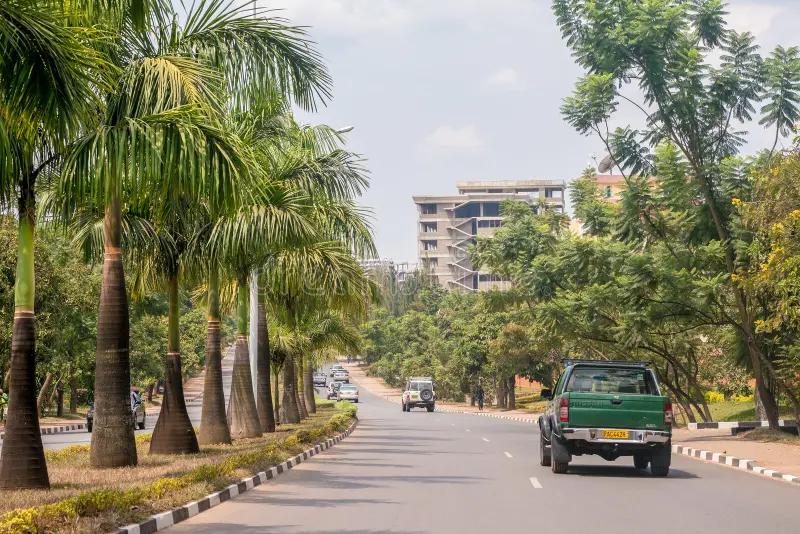
Rwanda's Law No. 014/2026 of 6 March 2026 confirms the right-hand driving rule under Article 4.
2. Follow Road Signs and Traffic Signals
Road signs and traffic signals communicate important instructions, restrictions and warnings. Drivers must pay attention to them throughout their journeys, whether travelling through Kigali or on roads outside the capital.
Common signs and road markings you may encounter include:
- STOP signs: Require drivers to stop before proceeding when it is safe.
- Give Way signs: Indicate that drivers must give priority to traffic on the road they are entering.
- Speed limit signs: Show the maximum permitted speed for the relevant section of road.
- No-entry signs: Indicate roads or entrances that vehicles must not enter.
- Pedestrian crossing signs: Warn drivers about places where pedestrians may cross.
- Road markings: Provide instructions about lanes, stopping areas and where overtaking is restricted.
Always follow the instructions displayed on signs and signals. If an authorised traffic officer gives you instructions, follow those instructions, as the 2026 Road Traffic Law gives authorised officers the power to direct traffic and their instructions take precedence over road signs or signals in that situation.
3. Respect Speed Limits in Rwanda
Drivers in Rwanda must observe the speed limits applicable to the road they are using. Speed restrictions can differ according to the location, road type and traffic conditions, so it is important to check the signs rather than assume that one speed limit applies everywhere.
Pay particular attention to speed signs when entering towns, residential areas, school zones and other places where pedestrians may be present.
Rwanda uses traffic monitoring technology, including speed cameras. According to Rwanda National Police, camera-detected speeding offences can generate notifications sent to the vehicle owner using the vehicle registration details.
For visitors using a rental vehicle, it is particularly important to drive within the posted limits and ask the rental company how traffic notifications or penalties are handled.
4. Understand Right of Way at Intersections and Roundabouts
Intersections and roundabouts require attention because several vehicles may approach or move through the same area at the same time.
When approaching an intersection:
- Observe traffic lights, road signs and road markings.
- Stop when instructed by a STOP sign or red traffic light.
- Give way where required by signs or traffic signals.
- Look carefully for pedestrians and motorcycles.
- Do not enter an intersection if doing so would block traffic or create a dangerous situation.
At roundabouts, pay attention to the signs and road markings that indicate which vehicles have priority. Signal your intentions clearly and avoid changing lanes unexpectedly.
Never assume that other drivers have seen you. Approach intersections and roundabouts carefully, particularly in busy parts of Kigali.
5. Overtaking Rules in Rwanda
Overtaking should only be done when it is permitted and when you can complete the manoeuvre safely. In Rwanda, drivers generally use the left side to overtake and should return to the right when it is safe to do so.
Before overtaking:
- Check your mirrors and blind spots.
- Make sure the road ahead is clear.
- Check that no other driver has already started overtaking.
- Use your indicator to communicate your intention.
- Allow enough space to return safely to your lane.
- Never force another road user to brake or move suddenly.
Avoid overtaking on bends, near junctions, where visibility is limited or wherever road markings and signs prohibit it. Be especially careful on Rwanda's hilly roads, where a bend or slope may prevent you from seeing approaching traffic.
6. Seat Belt Rules
Seat belts are an important part of road safety. Drivers and passengers should wear the available seat belts whenever travelling in a vehicle.
Before starting a journey, check that passengers are seated properly and that seat belts are fastened. Drivers should also ensure that children are appropriately secured using suitable child-restraint arrangements.
Do not begin driving until everyone is safely seated. A short journey around Kigali still requires the same attention to safety as a longer trip between destinations.
7. Mobile Phone Use While Driving
Using a mobile phone while driving can distract you from traffic, road signs, pedestrians and other vehicles. Rwanda National Police has repeatedly warned motorists against using phones while driving and identifies distracted driving as a serious road safety concern.
Set your navigation before starting the journey. If you need to make a call, read a message or change your route, find a safe place to stop first.
Do not hold or operate your phone while the vehicle is moving. Keeping your attention on the road is essential, especially when driving in unfamiliar areas.
8. Alcohol and Drug-Related Driving Rules
Rwanda's Law No. 014/2026 sets a maximum permissible blood alcohol concentration level for drivers at 0.80 grams per litre of blood under Article 9. The law also provides for alcohol testing and penalties for offences involving driving above the permitted level.
Although the law establishes a maximum threshold, the safest choice for visitors is not to drink alcohol before driving. Alcohol can affect judgement, reaction time and the ability to respond to unexpected situations.
Never drive under the influence of illegal drugs or substances that impair your ability to drive safely. If you plan to drink during your stay, arrange another way to travel.
9. Give Pedestrians and Other Road Users Proper Attention
Rwanda's roads are shared by cars, motorcycles, bicycles, pedestrians and public transport vehicles. Drivers should remain alert and give particular attention to vulnerable road users.
When approaching pedestrian crossings, schools, markets and bus stops, reduce your speed and be ready to stop where required. Check carefully before turning because pedestrians and motorcycles may be close to your vehicle.
Keep a safe distance from motorcycles and cyclists. Avoid sudden lane changes and allow enough room when passing them.
10. Do Not Block Intersections or Pedestrian Crossings
Drivers should avoid stopping in places that obstruct the movement of other road users. This includes pedestrian crossings and marked yellow box junctions.
When approaching a yellow box junction, proceed only when there is enough space beyond the junction for your vehicle. Do not enter if traffic ahead is stationary and you would be forced to stop inside the marked area.
Rwanda National Police has specifically warned motorists against stopping in yellow boxes and on zebra crossings. These areas must remain clear to support safe and orderly traffic movement.
11. Follow Instructions at Police Checkpoints
Traffic police officers and other authorised officers may direct or inspect road users as part of traffic control and road safety operations.
If an authorised officer signals you to stop, pull over safely and follow the instructions. Remain calm and cooperate during the inspection.
If you are driving a rental car, keep the vehicle documents provided by the rental company accessible. Ask the company before your journey which documents should be carried in the vehicle.
12. Keep the Vehicle Roadworthy
Drivers are responsible for using vehicles that are safe for road traffic. Before setting off, make sure the vehicle is in suitable working condition.
For a rental vehicle, check the following during handover:
- Tyres and visible tyre condition.
- Headlights, brake lights and indicators.
- Brakes and steering response.
- Windscreen, windows and mirrors.
- Seat belts and door locks.
- Fuel level and any warning lights on the dashboard.
If you notice a problem, report it to the rental company before driving. Do not continue a journey in a vehicle that appears unsafe.
13. What Happens If You Break Rwanda Road Rules?
Road traffic offences can result in administrative fines and other legal consequences depending on the nature of the offence. Rwanda National Police operates electronic and camera-detected traffic ticket systems.
Camera-detected notifications can include details such as the location of the offence, the applicable speed limit, the detected speed in speeding cases and the amount of the fine.
Under Article 34 of Law No. 014/2026, administrative fines for road traffic violations are generally payable within 30 days after notification. The law also provides for an additional charge if the fine remains unpaid after the applicable deadline.
If you receive a traffic notification while using a rental car, contact your rental company and follow the appropriate procedure. Do not ignore official traffic notices.
14. Important Road Rules for Tourists Renting a Car in Rwanda
If you are visiting Rwanda and planning to rent a car, understanding traffic regulations should be part of your preparation. Before collecting your vehicle, make sure you understand the basic road rules and are comfortable driving on the right-hand side.
Remember these practical points:
- Follow the right-hand driving system.
- Observe posted speed limits.
- Wear seat belts and ensure passengers are properly secured.
- Avoid using your phone while driving.
- Never drive after drinking alcohol.
- Overtake only when permitted and safe.
- Respect pedestrians, motorcycles and cyclists.
- Follow instructions from authorised traffic officers.
- Keep the vehicle documents provided by your rental company.
If you are still preparing for your first drive in the country, read our guide to driving in Rwanda as a tourist for practical information about road conditions, navigation and what to expect during your journey.
If you have questions about the documents required to drive as a visitor, see our separate guide: Can Foreigners Drive in Rwanda?
Frequently Asked Questions About Rwanda Road Rules
Which side of the road do drivers use in Rwanda?
Drivers use the right-hand side of the road in Rwanda. The rule is confirmed by Article 4 of Law No. 014/2026.
Are there speed cameras in Rwanda?
Yes. Rwanda uses camera-based traffic enforcement, including for speeding and red-light offences. Drivers should follow posted speed limits and traffic signals.
Is it compulsory to wear a seat belt in Rwanda?
Seat belts should be worn by drivers and passengers. Always ensure that everyone is properly secured before starting a journey.
Can I use my phone while driving in Rwanda?
Rwanda National Police warns against mobile phone use while driving because it distracts motorists and creates road safety risks. Stop safely before handling your phone.
What is the legal alcohol limit for drivers in Rwanda?
Article 9 of Law No. 014/2026 sets the maximum permissible blood alcohol concentration at 0.80 grams per litre of blood. The safest decision is not to drink before driving.
What should I do if a traffic police officer asks me to stop?
Stop safely and follow the instructions of the authorised officer. If you are using a rental car, keep the vehicle documents provided by the rental company accessible.
Do Rwanda road rules apply to tourists?
Yes. Road traffic regulations apply to road users in Rwanda, including visitors driving rental or privately owned vehicles.
Drive Responsibly During Your Visit to Rwanda
Knowing Rwanda road rules helps visitors prepare for a safer and more organised journey. Respecting speed limits, following road signs, keeping to the correct side of the road and paying attention to other road users are essential responsibilities for every driver.
At Rwanda Drive & Tours, we offer self-drive and chauffeur-driven car rental options for visitors exploring Rwanda. Whether you are planning to travel around Kigali, visit national parks or discover destinations across the country, choosing the right vehicle and understanding local traffic regulations can make your trip easier to organise.
Explore our car rental services in Rwanda or contact us through WhatsApp to discuss your travel plans.
Legal information note: This article is a general guide and is not a substitute for the full road traffic law or official instructions. Traffic regulations and implementing orders may change. Always follow current road signs and guidance from Rwanda's competent authorities.
Ready to explore Rwanda?
Book a reliable 4x4 self-drive rental or guided safari tour with Rwanda Drive & Tours today.


